
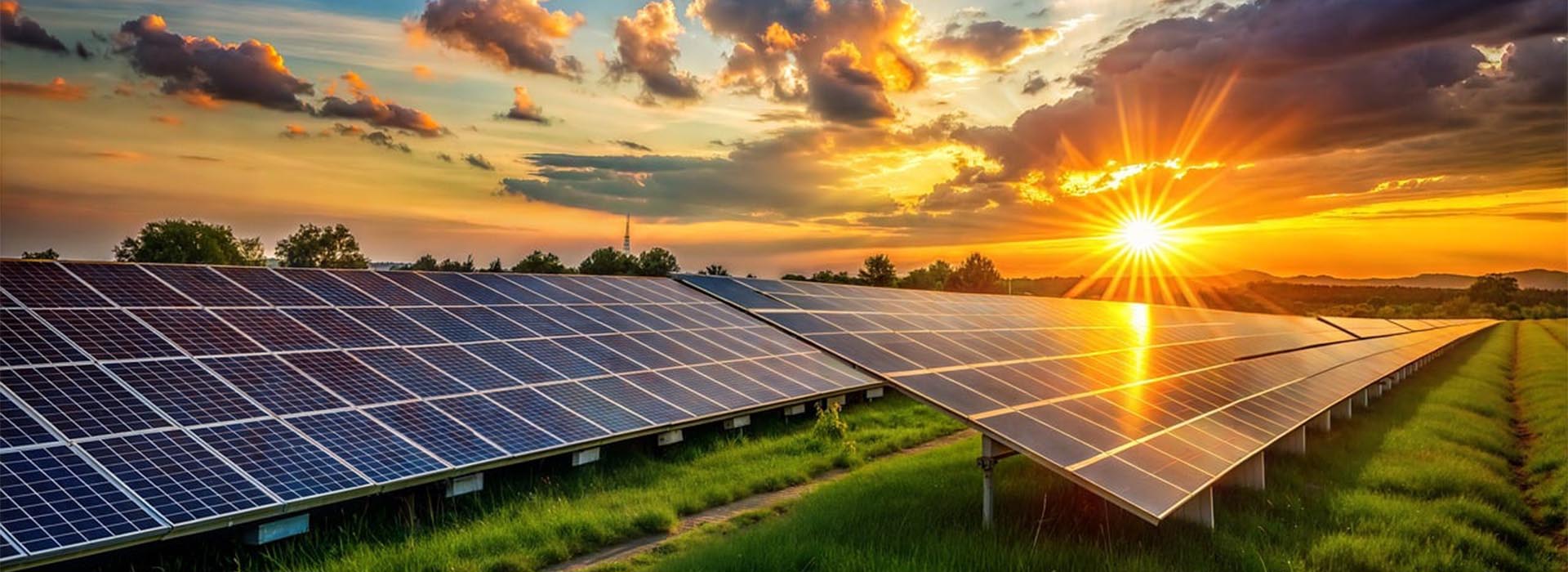
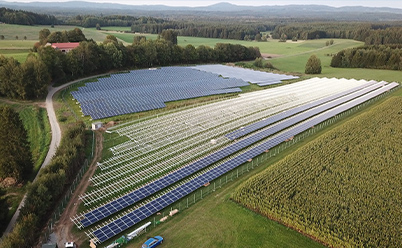
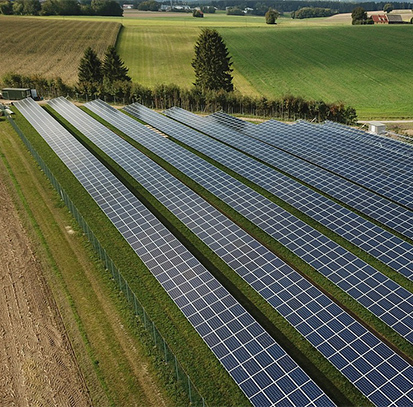
Agricultural field: It can be integrated on the top of the greenhouse to provide power for the ...
View Detail
Service Process

-
 Quality AssuranceFor solar panels, quality assurance means ensuring that solar panels meet certain quality standards in every stage, from raw material procurement, production and manufacturing, installation and commissioning to post-maintenance, through various means.
 -
 After-sale WarrantyIf a solar panel fails during the warranty period, the manufacturer will be responsible for free repair or replacement, which can save consumers a lot of repair costs.
 -
 Technical SupportProvide detailed installation manuals and video tutorials for installers to ensure the correct and standardized installation process. Guide installers to conduct site surveys, foundation construction, component installation, electrical connections, etc. to ensure installation quality.
Featured Products
The working principle of monocrystalline silicon solar panels is based on the photoelectric effect of semiconductors. When sunlight shines on monocrystalline silicon materials, the energy of photons excites electrons in silicon atoms, causing them to jump from the valence band to the conduction band, thereby generating electron-hole pairs. These electrons and holes move to the two poles respectively under the action of the electric field inside the semiconductor, forming an electric current. By making metal electrodes on both sides of the monocrystalline silicon wafer, the current can be led out to realize the conversion of solar energy into electrical energy.Monocrystalline silicon solar panels have a high photoelectric conversion efficiency, generally between 15%-24%. This means that under the same lighting conditions, monocrystalline silicon solar panels can convert more solar energy into electrical energy, thereby improving the overall performance of the solar power generation system.
The high conversion efficiency is mainly due to the high purity and good crystal structure of monocrystalline silicon materials, which makes the mobility of electrons in the material higher and reduces energy loss.

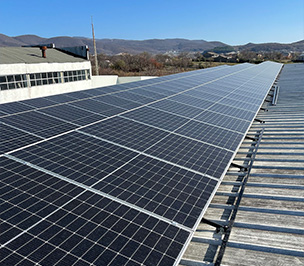
Ultra-white tempered glass is generally used, which has high light transmittance, high strength and good weather resistance. Ultra-white tempered glass can allow more sunlight to pass through, improving the power generation efficiency of solar panels.
Its high strength characteristics can effectively protect the cells from external mechanical damage, such as hail, wind and sand, etc. At the same time, good weather resistance enables it to work stably for a long time under various harsh climatic conditions.EVA (ethylene-vinyl acetate copolymer) is one of the commonly used packaging materials. It has good adhesion, light transmittance and weather resistance, and can tightly bond the battery cell, glass panel and backplane together to form a sealed whole.
The backplane is usually made of polymer materials, such as polyvinyl fluoride composite film (TPT) or polyethylene terephthalate (PET), which has good insulation, waterproof and aging resistance, and can protect the back of the battery cell from erosion by water vapor, dust, etc.
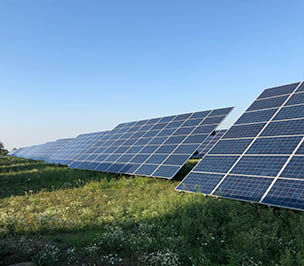
Like other solar cells, polycrystalline silicon solar panels work based on the photoelectric effect. When sunlight shines on the polycrystalline silicon semiconductor material on the panel, the photons excite the electrons in the semiconductor, causing them to jump from the valence band to the conduction band, generating electron-hole pairs. These electrons and holes move to the two poles respectively under the action of the electric field inside the semiconductor, forming an electric current, thereby realizing the conversion of solar energy into electrical energy.
Gallium arsenide/silicon-based composite solar panels: Gallium arsenide materials have high photoelectric conversion efficiency and a large bandgap, can absorb more high-energy photons, and can still maintain good performance in harsh environments such as high temperature and high light intensity. Combining gallium arsenide with silicon materials can give full play to the advantages of gallium arsenide in high-efficiency light absorption and relatively low cost and easy processing of silicon materials. This type of composite solar panel is often used in fields such as space technology and satellite communications that have extremely high requirements for performance and reliability.Copper indium gallium selenide/cadmium sulfide composite solar panel: Copper indium gallium selenide is a thin-film solar cell material with excellent performance, high photoelectric conversion efficiency and good stability; cadmium sulfide has good spectral response characteristics. The composite solar panel formed by the combination of the two can broaden the spectral absorption range and improve the absorption capacity of sunlight of different wavelengths, thereby improving the overall photoelectric conversion efficiency of the solar panel. This type of composite solar panel has certain applications in scenarios such as building integrated photovoltaics and distributed photovoltaic power generation.
Success Cases

-
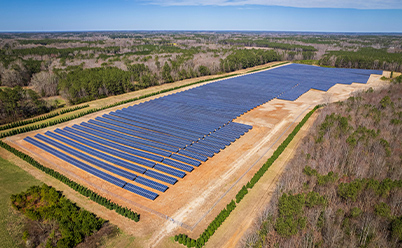 Agriculture
 -
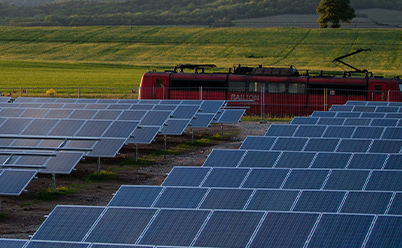 Photovoltaic element layerThe photovoltaic element layer is the core part of the flexible solar panel. Its main function ...View Detail
 -
 TransportationTransportation: Applied to vehicles such as cars, trains, airplanes, and ships ...View Detail
Solar Energy Technology Co., Ltd.
Solar Energy Technology Co., Ltd. Introduction
Solar Energy Technology Co., Ltd. is a high-tech enterprise focusing on the research and development, production, sales and service of solar panels. The company is headquartered in [specific location] and has a modern production base and advanced R&D center.
1. Products and technologies
The company's main products are high-efficiency solar panels, covering a variety of types such as monocrystalline silicon, polycrystalline silicon and thin-film solar panels to meet the needs of different customers.
Advanced technology research and development:
The company has a research and development team composed of senior experts and professional technicians, dedicated to the innovation and improvement of solar panel technology.
Continuously investing a lot of money in research and development, cooperating with well-known scientific research institutions and universities at home and abroad, and mastering a number of core technologies, such as high-efficiency battery manufacturing technology, intelligent photovoltaic module technology, etc.
Through continuous technological innovation, the company's solar panel products have higher conversion efficiency, better stability and longer service life.
Strict quality control:
The company has established a complete quality management system, from raw material procurement, production and processing to product testing and packaging, every link is strictly controlled.
Advanced testing equipment and methods are used to ensure that each solar panel meets international standards and customer requirements.
The company's products have passed ISO 9001 quality management system certification, IEC and other international certifications, providing customers with reliable quality assurance.
Solar Energy Technology Co., Ltd. is a high-tech enterprise focusing on the research and development, production, sales and service of solar panels. The company is headquartered in [specific location] and has a modern production base and advanced R&D center.
1. Products and technologies
The company's main products are high-efficiency solar panels, covering a variety of types such as monocrystalline silicon, polycrystalline silicon and thin-film solar panels to meet the needs of different customers.
Advanced technology research and development:
The company has a research and development team composed of senior experts and professional technicians, dedicated to the innovation and improvement of solar panel technology.
Continuously investing a lot of money in research and development, cooperating with well-known scientific research institutions and universities at home and abroad, and mastering a number of core technologies, such as high-efficiency battery manufacturing technology, intelligent photovoltaic module technology, etc.
Through continuous technological innovation, the company's solar panel products have higher conversion efficiency, better stability and longer service life.
Strict quality control:
The company has established a complete quality management system, from raw material procurement, production and processing to product testing and packaging, every link is strictly controlled.
Advanced testing equipment and methods are used to ensure that each solar panel meets international standards and customer requirements.
The company's products have passed ISO 9001 quality management system certification, IEC and other international certifications, providing customers with reliable quality assurance.

Contact Us
4007-4008, 40th Floor, Building 1, Excellence Century Center, Dunhua Road, Shibei District, Qingdao
