
Building Integration
Working Principle
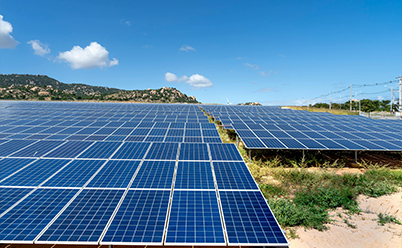
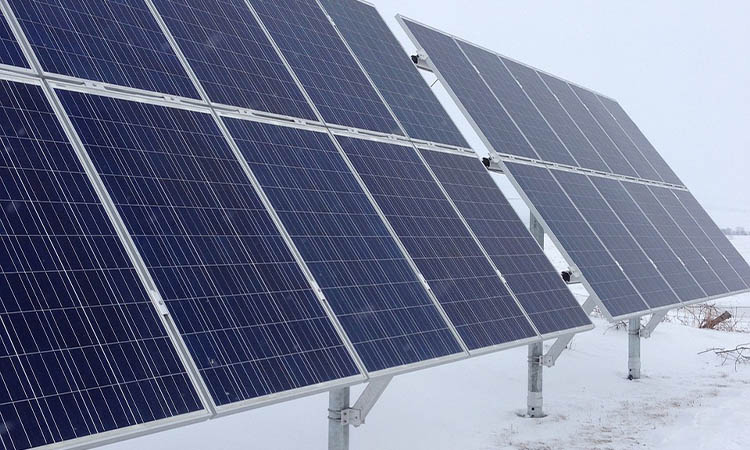
The integration of solar energy and buildings mainly uses solar panels and other equipment to convert solar energy into electrical energy to provide electricity supply for buildings. Solar panels convert photons in sunlight into electrons through the photovoltaic effect, thereby generating direct current. These direct currents can be converted into alternating current through inverters for use by electrical equipment in the building, or stored in batteries for emergency use.
At the same time, solar panels can also play a role in heat insulation, heat preservation, and sunshade, reducing the energy consumption of buildings. For example, solar panels installed on the roof can reduce the heat absorption of the roof, reduce the indoor temperature, and thus reduce the use of air conditioning.
Implementation method
Building exterior wall: Solar panels can be used as part of the building exterior wall and combined with building materials to form a beautiful and practical solar exterior wall system. For example, using solar photovoltaic glass as a building exterior wall material can not only achieve solar power generation, but also ensure the lighting and beauty of the building.
Roof: The roof is one of the ideal locations for installing solar panels. Flat roofs or slope roofs can be used to fix solar panels on the roof to provide electricity supply for the building. In addition, solar panels can be combined with waterproof and heat-insulating materials on the roof to improve the performance of the roof.
Windows: Solar panels can be integrated into window glass to form solar windows. This type of window can not only realize solar power generation, but also adjust the indoor light and temperature to improve the comfort of the building. For example, the use of intelligent color-changing glass technology can automatically adjust the color of the glass according to the light intensity indoors and outdoors to achieve a balance between shading and lighting.
2. Advantages
Combination of beauty and functionality
The integrated design of solar energy and architecture can perfectly integrate solar energy equipment with the appearance of the building, which will not only not affect the beauty of the building, but also add a unique sense of technology and modernity to the building. For example, the use of colored solar panels can be coordinated with the color of the building to make the building more beautiful.
At the same time, solar energy equipment can also provide buildings with a variety of functions, such as heat insulation, heat preservation, shading, power generation, etc., to improve the performance and comfort of the building.
Utilization of clean and renewable energy
Solar energy is a clean, renewable energy that does not produce any pollutants and greenhouse gas emissions and is environmentally friendly. Through the integrated design of solar energy and architecture, the space on the surface of the building can be fully utilized to collect solar energy on a large scale to provide clean and renewable electricity supply for the building and reduce dependence on traditional fossil energy.
Reduce building energy consumption
Solar energy equipment can play a role in heat insulation, heat preservation, and sun shading, reducing the energy consumption of buildings. For example, solar panels can reduce the heat absorption of the roof, reduce the indoor temperature, and thus reduce the use of air conditioning; solar windows can adjust the indoor light and temperature, improve the comfort of the building, and reduce the energy consumption of lighting and air conditioning.
Improve the sustainability of buildings
The integrated design of solar energy and buildings is in line with the concept of sustainable development and helps to improve the sustainability of buildings. By using renewable energy such as solar energy, the impact of buildings on the environment can be reduced, the operating costs of buildings can be reduced, and the value and competitiveness of buildings can be improved.