
-
 01
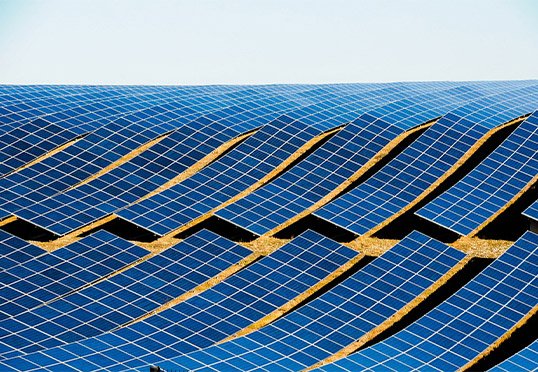
The back panel needs to have good aging resistance and be able to maintain its performance during long-term outdoor use. Aging resistance includes resistance to UV rays, moisture and heat, high and low temperature, etc. Polymer materials can be improved through special treatment and formula design to improve their aging resistance. For example, adding additives such as UV absorbers and antioxidants can effectively resist the effects of UV rays and oxidation; using special coating technology can improve the moisture and heat resistance of the back panel.
01
The back panel needs to have good aging resistance and be able to maintain its performance during long-term outdoor use. Aging resistance includes resistance to UV rays, moisture and heat, high and low temperature, etc. Polymer materials can be improved through special treatment and formula design to improve their aging resistance. For example, adding additives such as UV absorbers and antioxidants can effectively resist the effects of UV rays and oxidation; using special coating technology can improve the moisture and heat resistance of the back panel. -
 02
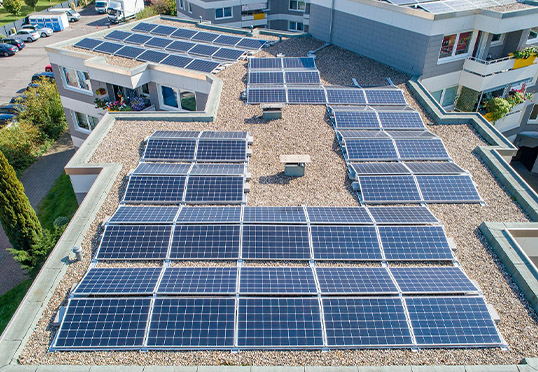
Insulation: The insulation performance of the backplane is crucial to the safe operation of the solar panel. It can prevent the solar cell from contacting with external conductive objects, avoiding safety accidents such as leakage and short circuit. Polymer materials usually have good insulation properties, which can effectively isolate the solar cell from the external environment and ensure the safety and reliability of the solar panel.
02
Insulation: The insulation performance of the backplane is crucial to the safe operation of the solar panel. It can prevent the solar cell from contacting with external conductive objects, avoiding safety accidents such as leakage and short circuit. Polymer materials usually have good insulation properties, which can effectively isolate the solar cell from the external environment and ensure the safety and reliability of the solar panel. -
 03
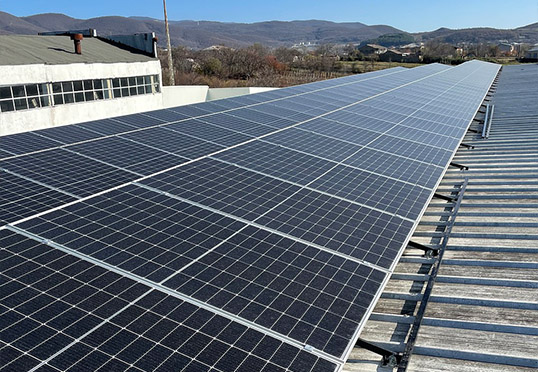
Solar panels need to be used outdoors for a long time, so the backplane needs to have good waterproof performance to prevent water vapor from penetrating into the solar cell and affecting its performance and life. Polymer materials such as TPT and PET have low water vapor permeability and can effectively prevent water vapor penetration. At the same time, the edge of the backplane is usually sealed with sealant to further improve the waterproof performance of the solar panel.
03
Solar panels need to be used outdoors for a long time, so the backplane needs to have good waterproof performance to prevent water vapor from penetrating into the solar cell and affecting its performance and life. Polymer materials such as TPT and PET have low water vapor permeability and can effectively prevent water vapor penetration. At the same time, the edge of the backplane is usually sealed with sealant to further improve the waterproof performance of the solar panel. -
 04
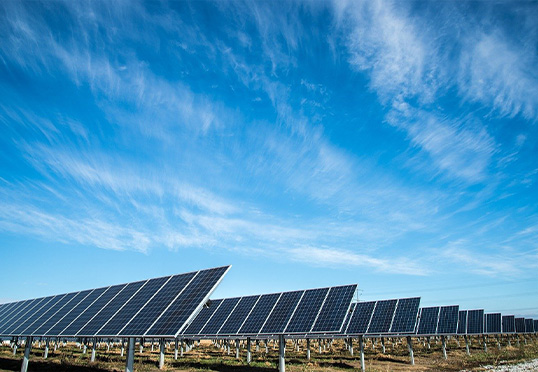
Polyvinyl fluoride composite film (TPT) and polyethylene terephthalate (PET) are commonly used backplane materials. These polymer materials have good insulation, waterproof and aging resistance, and can provide reliable protection for solar cells.
04
Polyvinyl fluoride composite film (TPT) and polyethylene terephthalate (PET) are commonly used backplane materials. These polymer materials have good insulation, waterproof and aging resistance, and can provide reliable protection for solar cells.

Home
>
Solution
